Understanding OFAC Cuba Sanctions A Comprehensive Overview 1540249801


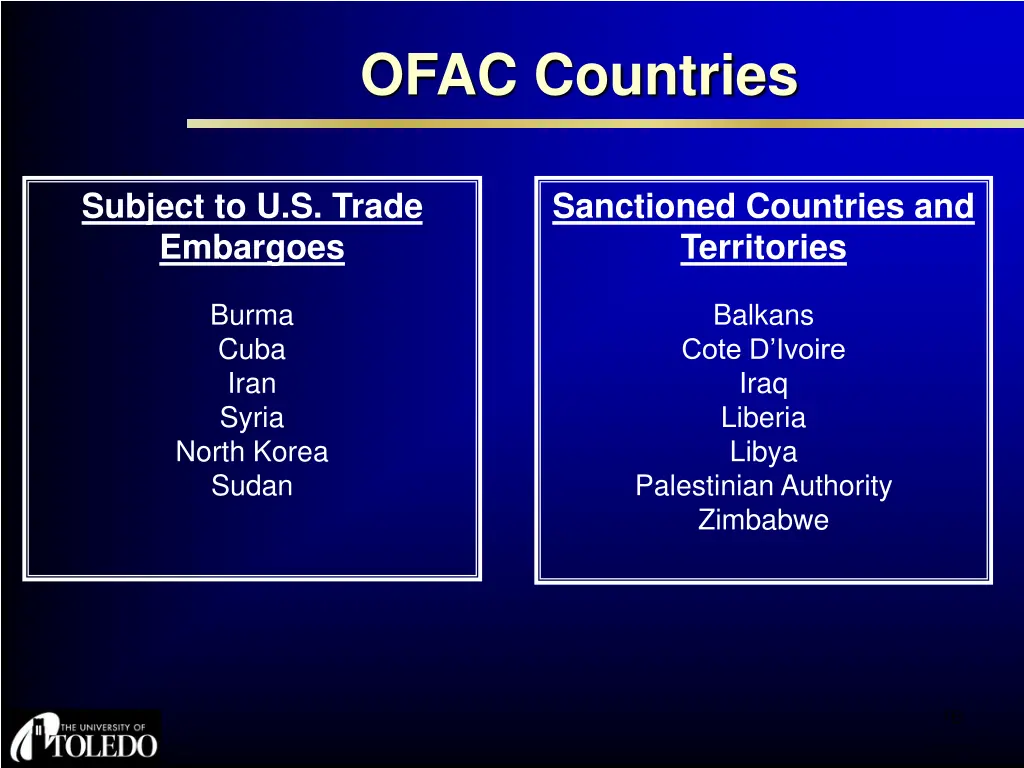
The Office of Foreign Assets Control (OFAC) has played a crucial role in the U.S. government’s approach to Cuba. The sanctions and regulations imposed by OFAC have shaped many aspects of the relationship between the two nations. For a detailed look at these sanctions, you can read this article on OFAC Cuba. As the situation in Cuba continues to evolve, it’s important to understand the implications of these policies and their historical context.
Historical Context of OFAC Sanctions on Cuba
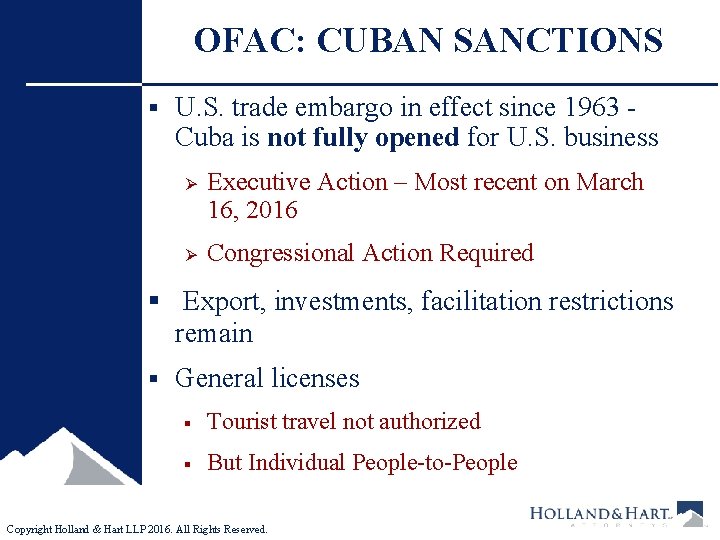
The origins of OFAC sanctions against Cuba can be traced back to the Cuban Revolution in 1959, which brought Fidel Castro to power. The United States initially attempted to engage with the new Cuban government, but relations quickly soured as Castro aligned with the Soviet Union. By 1960, the U.S. imposed an embargo on Cuba, restricting trade and economic relations, which OFAC has enforced through various sanctions since its establishment in 1950.
The Embargo and Its Evolution
The Cuban Trade Embargo has undergone several revisions over the decades. Initially focused on preventing U.S. trade with the island, it was expanded to restrict the flow of goods, services, and even money. Key moments in the evolution of the embargo include the Bay of Pigs invasion in 1961, the Cuban Missile Crisis in 1962, and more recently, the changes implemented under the Obama administration in 2014 aimed at normalizing relations.
Current OFAC Regulations
As of 2023, OFAC’s regulations concerning Cuba remain stringent. The agency enforces a comprehensive set of sanctions that include restrictions on travel, financial transactions, and investment. U.S. persons are generally prohibited from engaging in commercial activities in Cuba, with limited exceptions, such as certain types of travel for educational or humanitarian purposes.
Impact on U.S.-Cuba Relations
The sanctions imposed by OFAC have significant implications for U.S.-Cuba relations. While there have been periods of thawing relations and attempts to re-engage, the continuing sanctions create a complex environment for diplomacy. The Cuban government often cites the embargo as a primary obstacle to the nation’s economic development, while U.S. officials argue that sanctions are necessary to pressure the regime on human rights and democratic reforms.
Economic Effects on Cuba
The economic impact of OFAC sanctions on Cuba is profound. The restrictions limit Cuba’s access to international markets and financing, leading to shortages of goods and deteriorating living conditions for many Cuban citizens. The embargo has also affected sectors like health care, agriculture, and tourism—areas that could potentially benefit the Cuban economy if trade were permitted.
Humanitarian Exceptions and Support
Despite the strict regulations, there are provisions for humanitarian assistance. OFAC has allowed certain transactions related to food and medicine, recognizing the need for support within the Cuban population. Additionally, remittances from the Cuban diaspora in the U.S. provide essential financial support to families on the island, albeit under strict guidelines.
The Role of Advocacy Groups
Various advocacy groups in the U.S. promote a change in the sanctions policy towards Cuba. Groups such as the U.S.-Cuba Normalization Network argue for lifting the embargo as a way to foster economic growth and improve human rights conditions in Cuba. These groups often emphasize the importance of engagement over isolation, highlighting successful examples of cultural and educational exchange.
Legal Implications of Sanctions
Violating OFAC sanctions can lead to severe legal consequences. Businesses and individuals found in violation may face hefty fines, restrictions on conducting business, and in severe cases, criminal charges. Comprehensive compliance programs are critical for entities involved in any activities related to Cuba to navigate the complex regulatory environment.
Future of OFAC Sanctions on Cuba
The future of OFAC sanctions on Cuba remains uncertain. Changes in U.S. administration can lead to shifts in foreign policy, as seen with the transitions from Obama to Trump and now to the Biden administration. While there have been calls for a renewed approach to Cuba, the political landscape in the U.S. plays a significant role in determining the sanctions’ future. The ongoing debate touches on various issues including human rights, economic interests, and regional stability.
Conclusion
Understanding the complexities of OFAC sanctions related to Cuba is essential for comprehending the broader context of U.S.-Cuba relations. The history of these sanctions reflects political decisions shaped by ideology, national security concerns, and humanitarian issues. As discussions about potential changes to these policies continue, the impact on both nations and their citizens remains a critical issue.

In conclusion, OFAC holds significant authority over economic relations with Cuba, shaping not just policy but also the everyday lives of individuals on the island. As the landscape continues to change, it is essential to stay informed about the implications of these sanctions and the evolving dynamics between the two nations.